Buy Now, Pay later or Change the Way People Shop?
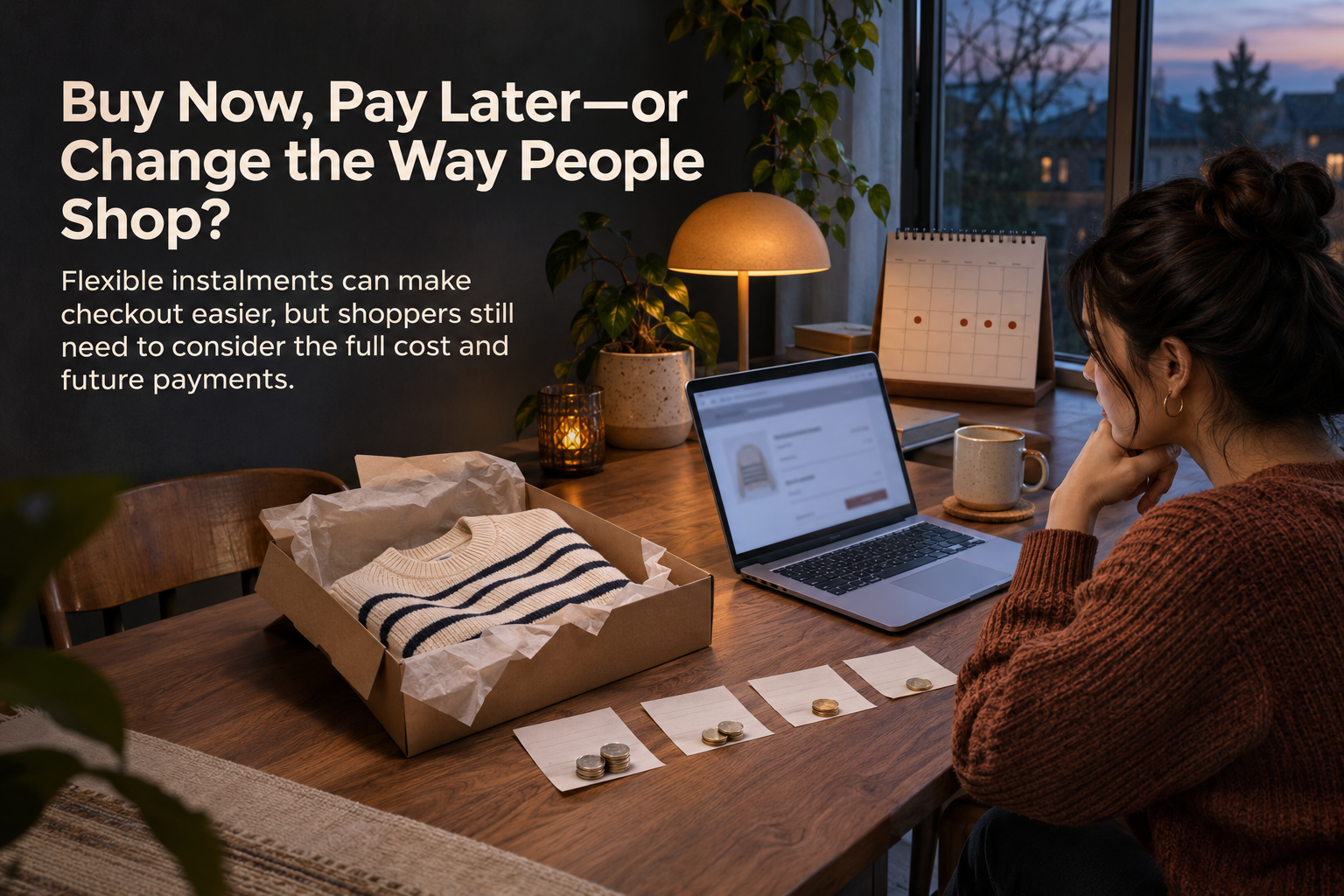
Shopping has become much quicker, more flexible and more moved toward digital.
Ask AI About This Story
Real-time contextual insights, local impact & analysis
Now consumers can pay for their purchases in a number of ways, whether that's when they're buying groceries or electronics or even fashion. One such solution that has been talked about is Buy Now, Pay Later (BNPL), which is a payment model where customers can purchase products and then pay them back in smaller chunks.
Once an alternative method of payment, it now becomes a part of the larger online shopping experience. Retailers are placing installment facilities at the checkout and consumers are looking at other spending options. How is BNPL affecting consumers' shopping habits, though, and what should they take into account before making their decision?
What Is Buy Now, Pay Later?
Buy Now, Pay Later is a payment method that lets customers make a short-term commitment to buy something and make payments over a fixed time. The payment can be paid in several installments or can be planned to be paid over a period of weeks or months, depending on the provider and plan.
There are several BNPL services that provide interest-free installments if the payments are made on time. But the rates vary depending on providers. There may be interest and/or late fees or other charges on some plans so the customer must know the terms of the plan before signing a purchase.
It's generally offered online, via shopping apps and certain physical outlets. Many times, customers can opt for BNPL directly at the checkout, without the need to have a conventional credit card.
You can also make shopping more flexible
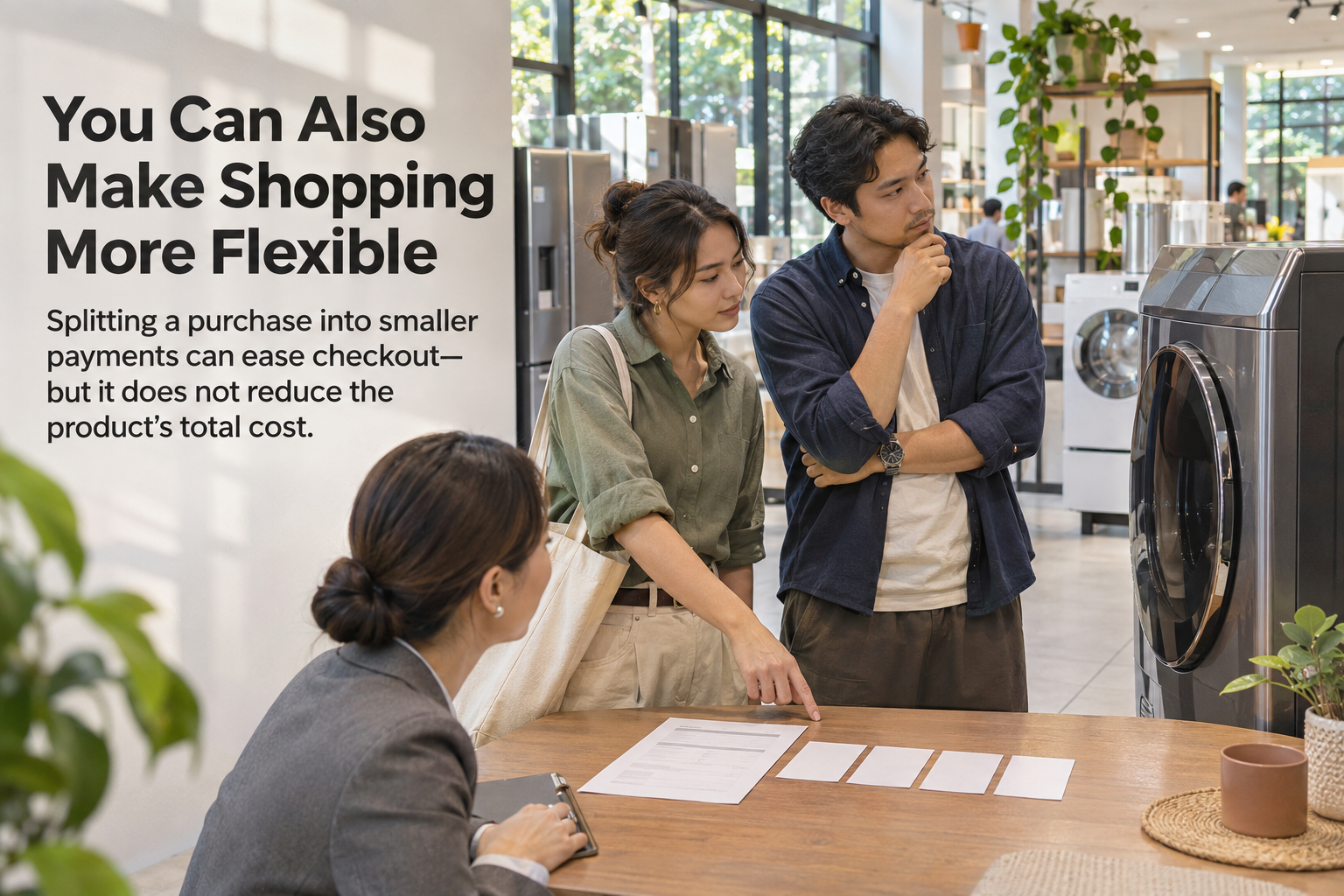
The flexibility of payment is one of the prime reasons behind the popularity of BNPL. Customers can break down the payment into smaller chunks and pay over time instead of all in one.
This can help make bigger purchases more affordable, especially if it's someone who is purchasing electronics or any other item that costs more in the household. It also provides a choice for shoppers to not use a credit card or amount of money they have in their bank account in one transaction.
Retailers can find that customers who like to pay in installments are easier to convert because offering them this option will make the checkout process more appealing. It could also ease the hesitation of shoppers when they're thinking about buying something.
Tactical flexibility is not synonymous with affordability, though. When a payment is split up it is not a discount on the actual cost of a product.
Changing Online Shopping Behaviour
BNPL is shaping consumer behaviour when shopping online. The old fashioned method used to be for customers to price-shop, check their budgets, and determine if they could afford the entire payment. Installment financing means that some buyers might want to buy items they would not otherwise buy.
BNPL can also impact buying decisions when it's available at the checkout. The price of a product can seem more manageable when broken down into smaller payments. This can incentivize customers to finish purchases, especially when purchasing on cell phones. This behavior is a concern for retailers because a seamless payment process may impact conversion rates and customer satisfaction.
Meanwhile, the ease of setting up payments can lead to impulse purchases. A consumer may only consider the upfront amount of the installments and not realize that several installments can add up.
Why Retailers Are Adopting BNPL
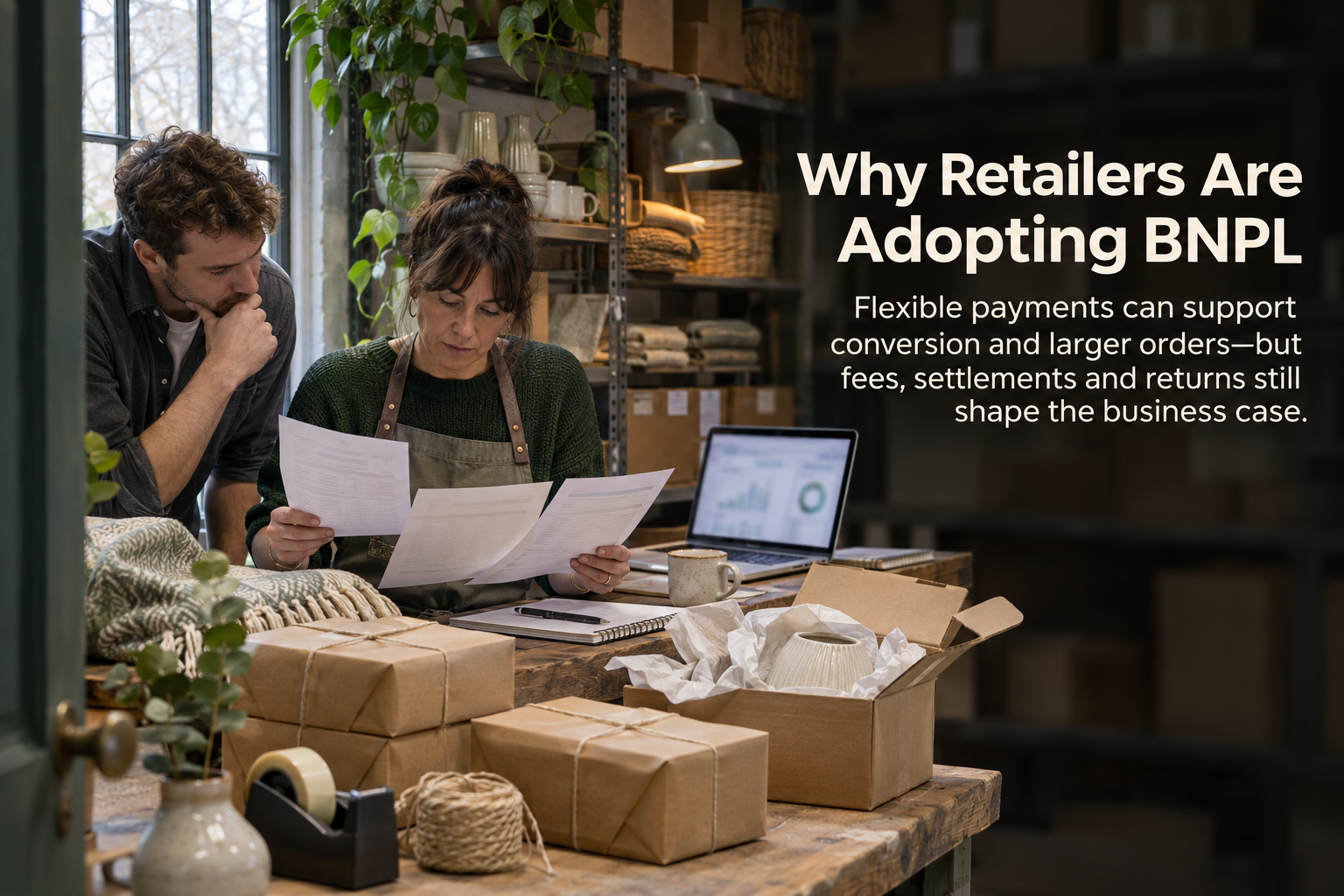
BNPL isn't just another payment option for businesses. It can be a component of their customer acquisition and sales strategy. Retailers compete on a variety of factors including product quality, price, delivery and convenience of checkout. Allowing flexible payment is another factor that can make customers think of ordering.
Online businesses with an average order value of higher amounts may find it relevant for them. If your customer is unsure about paying in full, they might prefer to pay in installments.
Some of the providers also handle the payments procedure and pay the involved merchants as per their business contracts. This means that retailers will be able to provide instalments without having to deal with each repayment themselves. But, businesses need to consider provider fees, settlement terms, customer support and how BNPL will impact returns and refunds before implementing them.
The Risks Behind Convenient Payments
While BNPL can be flexible, it's also a financial commitment. However, the major worry is that consumers could enter into multiple installment plans from multiple providers without factoring in their total repayment requirements. If you make a few little payments, it can add up to a big monthly cost. Depending on the provider and agreement, missed payments could lead to penalties such as late fees, account restrictions, or other repercussions. Depending on the market and the rules, some services may also perform credit checks or provide information about repayment to credit reporting agencies.
A further risk is that BNPL could make it more convenient to buy unnecessary products, without really thinking about the budget. Consumers should however pay attention to other than the advertised installment amount. It is important to know the total price of the purchase before choosing this option as well as how much and when the repayments will be due, and what the penalties will be for late payments.
BNPL and Financial Awareness
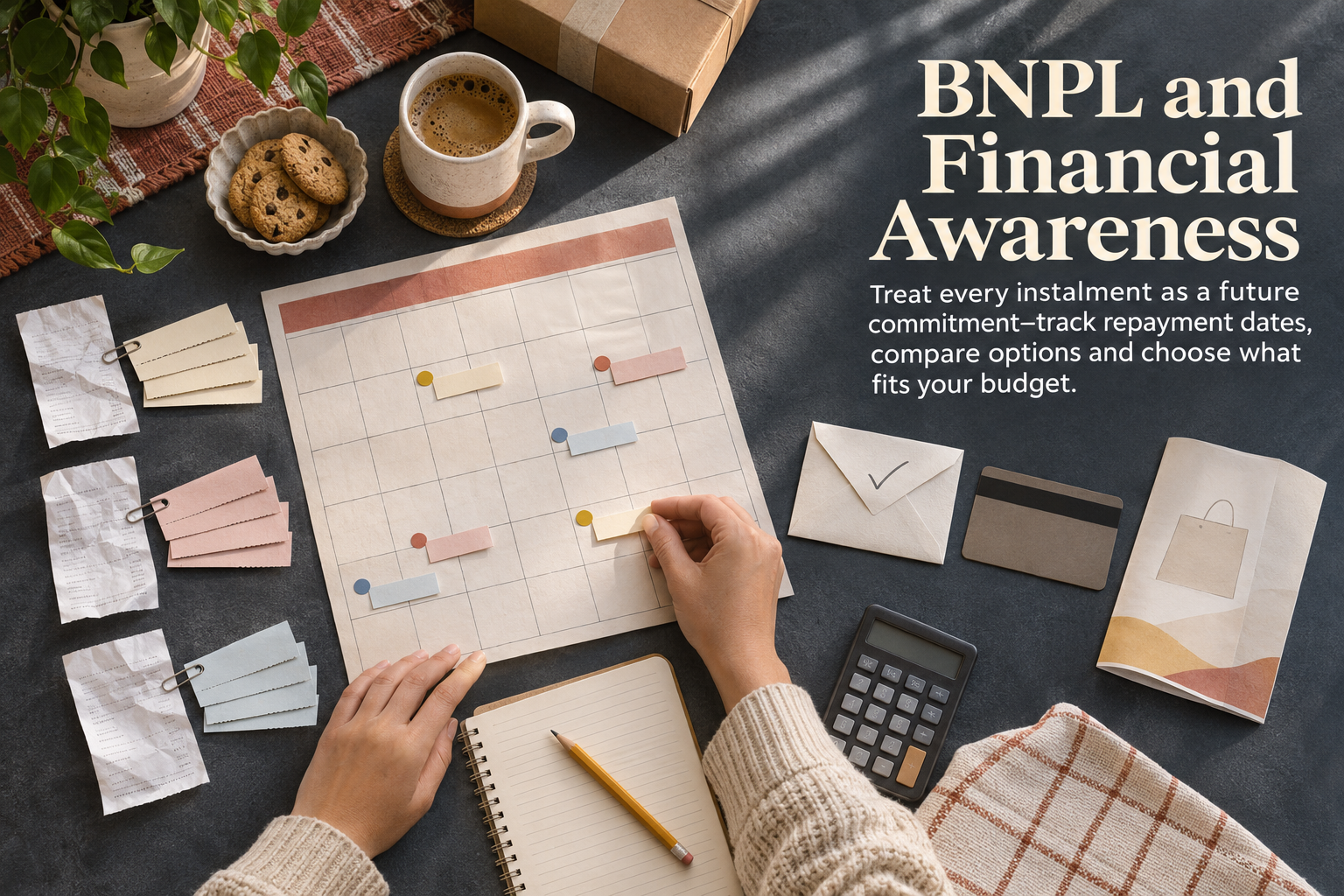
Installment purchasing is becoming more popular with people, making financial awareness more important. By encouraging consumers to think about every BNPL sale as a financial obligation, instead of just an extension of their available funds, it can help curb impulse buying.It can help to promote responsible shopping habits by encouraging consumers to consider every BNPL sale as a financial commitment, rather than an extension of their available funds. It's important to review future repayment dates, monitoring plans, as well as monitoring to ensure there is no double up on commitments.
Comparing BNPL to other payment methods is also helpful. It may be easier to pay upfront, or a credit card or other financing option might have various costs and protections. Don't assume that the payment method that involves the longest wait is the best one. It's the one that matches the client's budget and monetary goals.
There are regulations and consumer protection
The financial regulation in which BNPL services operate varies. As the industry grows, regulators are focusing more on transparency, cost-benefit analyses, advertising and consumer protection. The rules might vary from one country to the other, from one payment agreement to a different one and from one provider to the other. There have been some jurisdictions that have implemented or proposed regulations for BNPL providers, and others that have already incorporated some BNPL services into their existing consumer credit laws.
It is imperative for customers to understand the provider's terms and conditions before assuming that all installment plans are the same. Transparency can provide consumers with information on their responsibilities and enable them to make an informed choice. It can also stimulate responsible competition amongst the payment providers.
So, what is the future for BNPL?
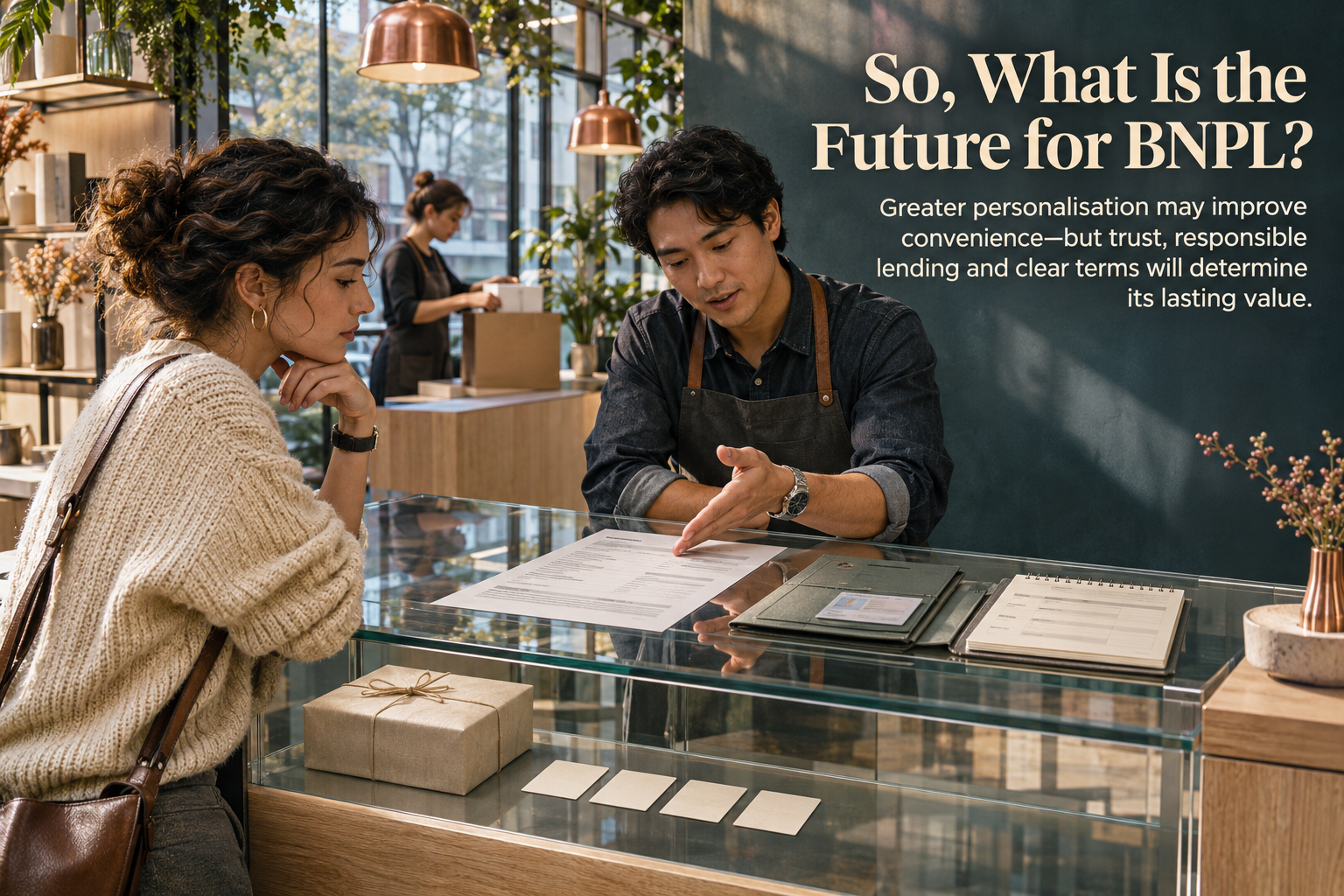
In today’s retail landscape, with its ongoing transformation of shopping and digital payments, Buy Now, Pay Later is a phenomenon gaining steam. Payment providers are looking to the opportunity to offer instalment solutions in more e-commerce channels and retailers are reviewing the possibilities of payment flexibility to enhance customer experience. Moving forward, additional features are possible such as greater personalisation in payment options, enhanced affordability checks, and better repayment management tools.
In the long-term, however, it will be consumer trust, responsible lending, and clear payment terms that are the deciding factors. It will not be enough if the payment ecosystem can only be built based on convenience. BNPL is transforming the way consumers make purchases by making it more flexible at the point of sale. But its actual use is what makes it valuable. It's vital for buyers to know the total cost and obligation they will face when they take out a loan. BNPL is not just a mechanism to get customers to buy more; it's a strategic approach to customer experience for retailers.
Related Stories
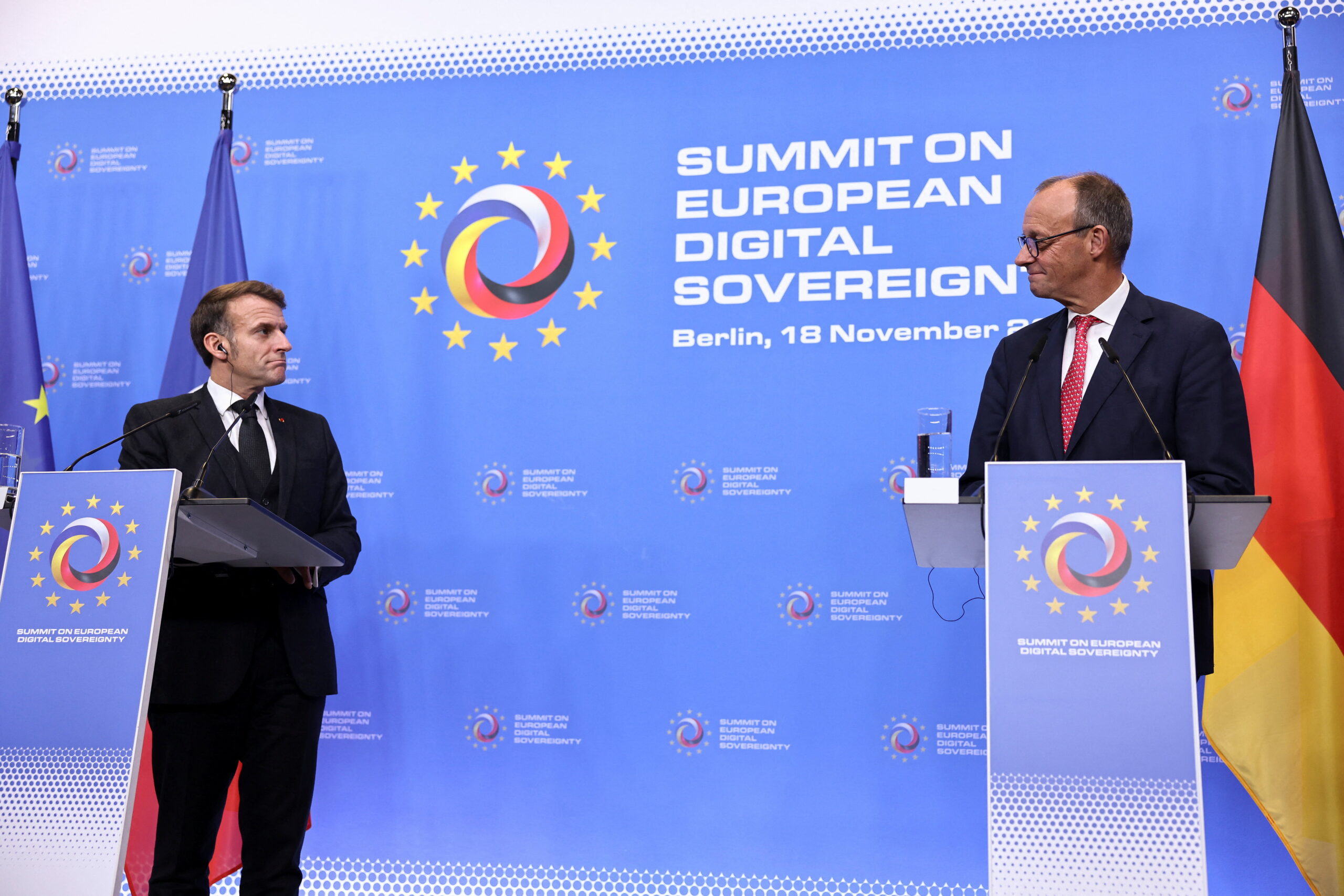
Franco-German Digital Sovereignty Accord Unveils Secure European Sovereign Cloud Infrastructure

Global Sovereign Wealth Funds Direct Record $180 Billion Toward Clean Grid Storage and Interconnectors